Introduction
In today's fast-paced world, parents and educators alike find themselves navigating the complexities of child behavior. With rising concerns about attention deficits, hyperactivity, and emotional regulation, the quest for effective solutions has never been more crucial. Enter martial arts—a structured activity for kids that not only promotes physical fitness but also fosters mental resilience and emotional control. This article will explore how reinforcing respectful routines while reaping behavioral rewards via dojo discipline can positively impact children’s lives.
What Is Dojo Discipline?
Dojo discipline refers to the rigorous yet supportive environment found in martial arts training centers. It emphasizes respect, focus, and self-regulation, providing children with essential life skills that promote positive behavior both inside and outside of the dojo. But how does this translate into real-world benefits? Let's take a deeper dive.
Understanding Martial Arts and Child Behavior
Martial arts offer a unique approach to shaping child behavior through physical discipline. The principles taught in karate or taekwondo are not merely about combat skills; they revolve around respect for oneself and others.
Focus Through Karate
Karate training instills an incredible sense of focus in children. The very essence of karate lies in honing one's concentration to master techniques effectively. Practicing focus through karate translates into better attention spans in classrooms as well.
Structured Activity for Kids
Structured activities like martial arts provide children with routine and predictability—elements crucial for developing self-discipline. Children thrive when they know what to expect, leading to improved emotional health.
Martial Arts Benefits for Kids
When considering martial arts benefits for kids, it's essential to look at various dimensions: physical, mental, and emotional.
Physical Fitness with Discipline
Children engage in rigorous exercise during martial arts training, promoting overall fitness levels. This structured activity cultivates strength, flexibility, and coordination.
Mental Benefits of Martial Arts
Beyond physical fitness lies a treasure trove of mental benefits. Kids learn strategies for self-regulation through martial arts that can https://ridgewood-self-defense-northern-nj.tearosediner.net/navigate-martial-arts-schools-near-me-for-your-child-s-success-2025 aid them academically and socially.
Martial Arts for Hyperactive Children
For hyperactive children or those diagnosed with ADHD (Attention Deficit Hyperactivity Disorder), martial arts can serve as an anchor. The focus required during training helps channel their energy positively.
Reinforcing Respectful Routines While Reaping Behavioral Rewards via Dojo Discipline
Establishing respectful routines is vital when practicing dojo discipline. By creating an environment focused on respect—both from instructors to students and among peers—children learn essential social skills.
Creating a Routine: Step by Step
Consistency: Regular class schedules reinforce commitment. Positive Reinforcement: Reward systems encourage good behavior. Role Models: Instructors demonstrate respect and discipline. Peer Interaction: Team exercises help build mutual respect.These steps create a nurturing environment where kids feel valued while learning essential life skills.
Emotional Control through Karate Training
Emotional regulation is often overlooked when discussing children's development. However, karate offers practical tools that empower children to manage their emotions effectively.
Self-Regulation Through Martial Arts
Practicing martial arts teaches children how to remain calm under pressure—an invaluable skill during challenging situations at school or home.
Karate Training Techniques That Promote Discipline
To reinforce respectful routines while reaping behavioral rewards via dojo discipline, specific techniques can be employed during training sessions:
Breathing Exercises: Help kids center themselves. Meditation: Cultivates mindfulness. Goal Setting: Encourages personal accountability. Feedback Sessions: Allow constructive criticism in a supportive manner.These techniques ensure that children learn the value of discipline while enjoying their journey in martial arts.
Positive Activities for Children Beyond Martial Arts
While martial arts are exceptional, various other positive activities exist that can complement your child's development:
- Team sports Music lessons Art classes Community service projects
Encouraging participation in multiple activities fosters well-rounded development.
Exploring Karate for Preschoolers
Starting young is beneficial; thus, introducing karate to preschoolers can yield impressive results early on!
Developmental Benefits
Engaging with martial arts at an early age improves motor skills while teaching basic concepts of teamwork and respect toward others—a foundation that stands strong as they grow older.
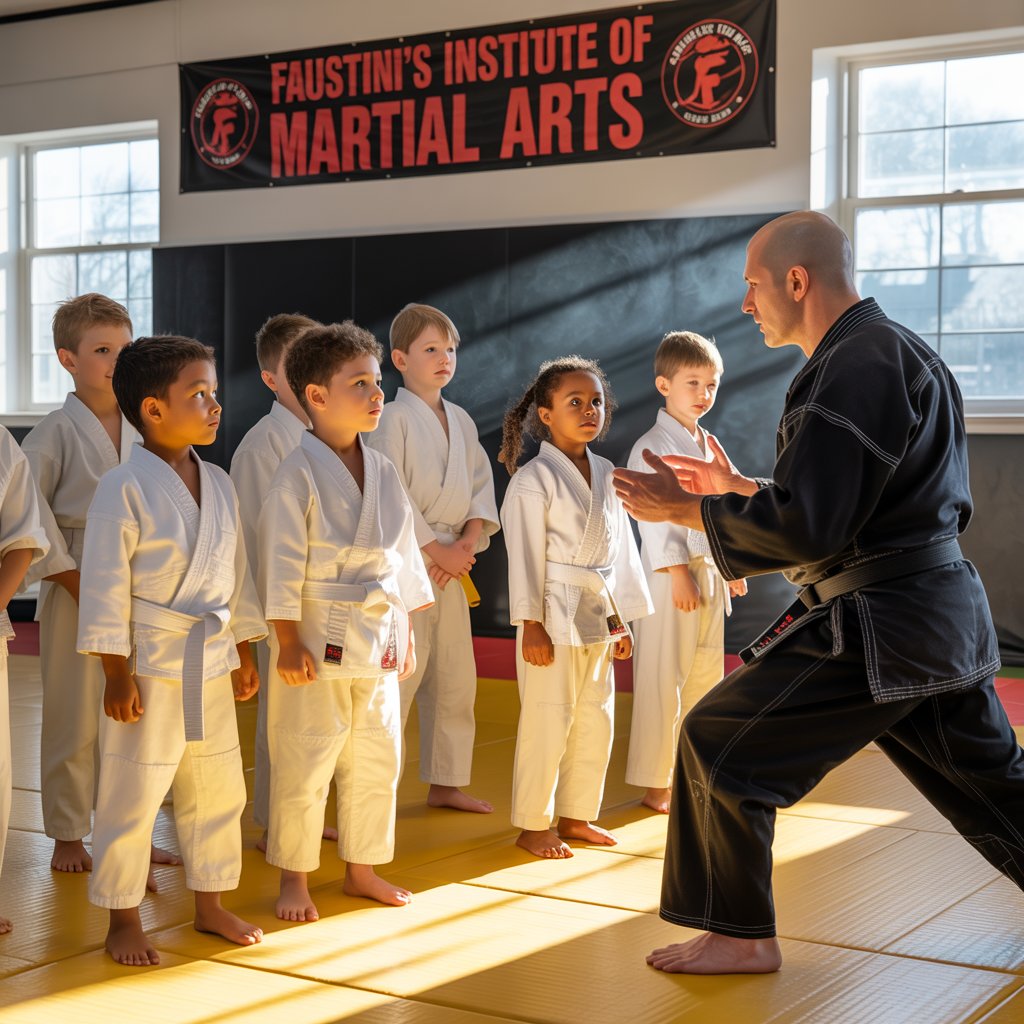
Beginner Martial Arts for Kids: Getting Started
So you're interested in enrolling your child? Here’s what you need to know:
Research Local Dojos: Find one with certified instructors experienced with children. Trial Classes: Many dojos offer free trial classes so kids can get a feel before committing. Parental Involvement: Participate or observe classes to better understand the curriculum. Set Realistic Expectations: Emphasize fun over competition initially; growth will come naturally!Incorporating Martial Arts into Daily Life
Integrating martial arts principles into daily living can enhance the benefits gained from karate training:
- Encourage practice at home through simple drills. Discuss lessons learned after each class. Promote meditation or yoga sessions as family activities for emotional control.
FAQs About Reinforcing Respectful Routines While Reaping Behavioral Rewards via Dojo Discipline
1. What age is appropriate to start martial arts?
Most dojos offer classes starting as early as four years old! It's advisable to consult local programs for age-specific offerings such as karate for preschoolers.
2. Can martial arts help my child focus better in school?
Absolutely! Focus through karate enhances concentration which can translate into improved academic performance over time.
3. How does karate training help with ADHD?
The structured environment provides consistent routines which aid self-regulation—critical components needed by children with ADHD.
4. Are there mental health benefits associated with martial arts?
Yes! Engaging consistently leads to increased confidence levels and reduced anxiety among young practitioners due primarily to improved coping strategies learned during practice sessions!
5. Should I be involved in my child's martial arts journey?
Involvement is encouraged! Participation fosters bonding opportunities while allowing parents insight into their child's progress!
6. How do I choose the right dojo?
Look out for qualified instructors who specialize in teaching kids alongside positive reviews from other parents regarding their experiences!
Conclusion
Reinforcing respectful routines while reaping behavioral rewards via dojo discipline creates a powerful framework that supports child development holistically—mentally, physically, and emotionally! Through engaging activities like karate training coupled with structured environments fostering self-discipline within supportive communities—not only are we nurturing future leaders but also equipping them with vital life skills necessary throughout their journeys ahead! So why wait? Explore local dojos today; you might just discover your child's hidden talents waiting patiently beneath those layers of potential!